






What Is the 20-Minute Rule for ADHD?
The 20-minute rule is a simple task-management method: choose one clear task, focus on it for 20 minutes, then decide whether to continue, take a break, or stop. Rather than committing to an entire project, you only commit to a short, manageable period of effort.
The method may help people who struggle to start tasks, estimate time, or stay with one activity. However, it is not an ADHD screening test, diagnosis, or treatment.
What Is the 20-Minute Rule for ADHD?
The 20-minute rule turns an open-ended task into a defined work period. You do not need to finish the whole job; you only agree to begin and stay with one action until the timer ends.
How the 20-Minute Rule Works
A basic cycle has five parts:
-
Choose one specific task.
-
Set a timer for 20 minutes.
-
Work only on that task.
-
Pause when the timer ends.
-
Decide whether to stop, rest, or begin another session.
Stopping after one cycle does not mean the session failed. The aim was to start and make progress, not necessarily complete everything.
Why 20 Minutes Can Feel More Manageable
ADHD symptoms may include difficulty organising time, starting tasks, sustaining attention and completing work that requires ongoing mental effort. A short block can feel more approachable because the commitment is limited and known in advance. Healthdirect Australia provides further information about ADHD symptoms and assessment.
The 20-minute rule is not an ADHD assessment, psychological treatment, substitute for prescribed medication or proof that someone has ADHD. Australian guidance recommends a comprehensive assessment by a suitably qualified clinician when ADHD is suspected. The Australian ADHD Professionals Association guideline outlines evidence-based approaches to assessment and treatment.
Why 20 Minutes Is a Starting Point, Not a Fixed Rule
Twenty minutes will not suit every person or task. It is only a practical starting length: long enough to make progress, but short enough to feel achievable.
Five or ten minutes may work better on a difficult day, while familiar tasks may suit 25 or 30 minutes.
Why Can the 20-Minute Rule Help With ADHD?
The method does not treat ADHD directly. Its value comes from making tasks smaller, giving time a clear boundary, and reducing the pressure to finish everything at once.
It Makes Large Tasks Feel Smaller
Large projects often contain several hidden decisions. “Prepare the presentation” may involve research, planning, slide design and proofreading. A 20-minute block works better when you select one action, such as reviewing two sources or drafting the opening slide.
It Creates a Clear Start and Stop Point
Open-ended work can make it difficult to judge how much effort will be required. A timer provides an external start and finish signal, as well as a natural point for reviewing progress.
This may help people who frequently switch between unfinished tasks or remain absorbed in one activity for longer than intended.
It Reduces the Pressure to Finish Everything
The goal is engagement, not total completion. One paragraph, one cleared surface or several answered emails still count as progress.
The first session might simply produce a rough outline or identify missing information.
How to Use the 20-Minute Rule for ADHD
The technique works best when the task is specific, and the required materials are ready before the timer begins.

Step 1: Turn a Large Task Into One Clear Action
Avoid broad instructions such as “study” or “clean the house”. Choose an action that can begin immediately, such as reading five pages, drafting one paragraph, putting away one basket of washing or replying to three emails.
Step 2: Prepare Before Starting the Timer
Open the correct file, gather your notes, and place the necessary tools nearby. For computer-based work, close unrelated tabs and silence non-essential notifications.
Keep preparation brief. Its purpose is to remove predictable interruptions, not become another organising task.
Step 3: Set a Visible 20-Minute Timer
Use a phone, smartwatch, computer, smart speaker or physical timer. A visible countdown can make the remaining time easier to understand without repeatedly checking the clock.
Step 4: Work on One Task Without Switching
Perfect concentration is not required. When your attention drifts, return to the chosen task.
Write unrelated ideas on a “later” list, then return to the task instead of switching activities.
Step 5: Stop and Review What Happened
When the timer ends, ask whether you made useful progress, whether the next action is clear and whether you have enough energy for another session.
Step 6: Take a Short, Defined Break
Use the break to stand, stretch, refill your water or look away from the screen. Give it an approximate finish time so it does not become open-ended.
Where Can You Use the 20-Minute Rule?
The method is useful for tasks that feel difficult to begin, can be divided into smaller parts or tend to expand without a clear boundary.
Office and Remote Work
Use one session for email triage, document review, meeting preparation, data entry or the first section of a report. Instead of “clear my inbox”, try “reply to emails that need less than five minutes each”.
Studying and Reading
Students can review a short section of notes, answer several practice questions or identify unfamiliar terms in a chapter.
For a difficult assignment, the first session may only involve reading the instructions, checking the due date and listing the required sections.
Household Tasks
Rather than cleaning an entire room, choose one surface, cupboard or category. Clear the kitchen bench, sort one laundry basket or remove expired food from one shelf.
Personal Administration
Use one session to locate documents, compare information, pay a bill or complete one section of a form. When another person is involved, prepare account details or write down your questions before making contact.
How to Build an ADHD-Friendly Workspace
An ADHD-friendly workspace should make the current task easy to identify, reduce avoidable distractions, and support comfortable changes in position. For many Australians working remotely, choosing the right home office desk setup can make daily routines easier to manage and create a more organised environment for focused work.
The 9amHome guide to an ergonomic desk setup explains how these elements work together.

Keep the Desk Clear and Task-Focused
Keep materials for the current task visible and move unrelated items away from the main work area. A well-organised ergonomic desk setup with drawers, trays, and labelled containers can keep chargers, stationery, and documents accessible without creating unnecessary visual distractions.
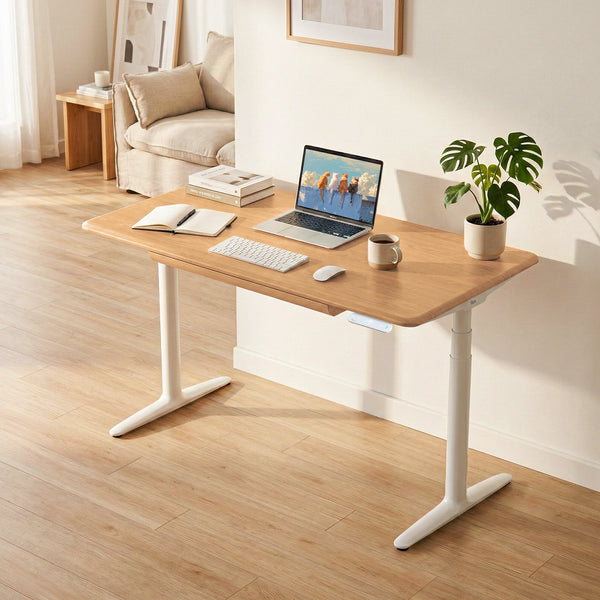
The 9amHome Atom Pro Ash Hardwood Standing Desk is available with an optional full-width drawer and flip-down cable tray. These options can help keep smaller office items and cables out of the immediate work area, supporting a more organised ADHD workspace.
Make Movement Easy
Leave enough room to stand, stretch or walk briefly during breaks. A height-adjustable desk can make it easier to change position between sessions, although standing for long periods is not a substitute for regular movement.
The 9amHome Pesk Standing Desk adjusts from 63 to 128 cm and uses a dual-motor system powered by BOSCH motors. It has a listed lifting speed of 38 mm per second, a 125 kg capacity, and an operating noise level below 40 dB while moving.
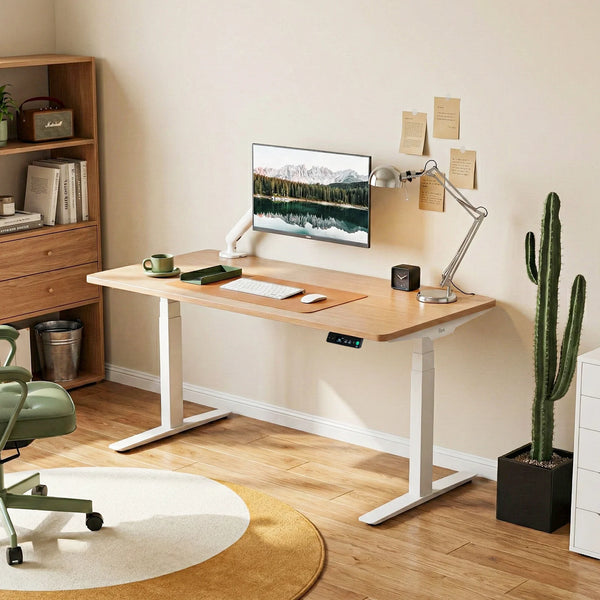
Its quiet adjustment may suit shared Australian homes. The guide to moving from a sitting desk to a standing desk explains how to introduce standing gradually.
Choose a Comfortable and Adjustable Chair
There is no clinically recognised furniture category called an “ADHD chair”. Someone searching for an ADHD office chair or ADHD desk chair in Australia should instead compare seat-height adjustment, lumbar support, armrest positioning, breathable materials and overall fit.
The 9amHome Galileo Ergonomic Chair includes dynamic lumbar support, adjustable armrests, breathable mesh and a retractable footrest. These features offer more options for people who prefer to change their seated position during longer work periods.
Conclusion
The 20-minute rule is a flexible way to start a task without committing to finishing everything at once. Choose one action, prepare what you need, work for 20 minutes and then decide whether to continue or rest.
People with or without an ADHD diagnosis can use the method, but it is not a medical assessment or treatment. Speak with a qualified health professional if ongoing difficulties with attention, organisation or impulsivity affect work, study, relationships or everyday life.
Frequently Asked Questions
What Does ADHD Stand For?
ADHD stands for attention deficit hyperactivity disorder. It is a neurodevelopmental condition involving persistent patterns of inattention and/or hyperactivity and impulsivity that affect daily functioning. ADD is an older term; ADHD is now the standard diagnostic name.
Is the 20-Minute Rule the Same as Pomodoro?
No. The Pomodoro Technique commonly uses 25 minutes of work followed by a five-minute break. The 20-minute rule is less structured: when the timer ends, you decide whether to continue, rest or stop.
What Are Common ADHD Symptoms at Work?
Possible symptoms include difficulty organising tasks, forgetting appointments, losing necessary items, delaying sustained mental work, switching between unfinished tasks, restlessness and interrupting conversations. Occasional distraction alone does not mean someone has ADHD.
Can I Use the Rule Without an ADHD Diagnosis?
Yes. It is a general time-management strategy that anyone can use to start difficult work or place a boundary around an open-ended task. Finding it helpful does not confirm an ADHD diagnosis.
How Can You Manage ADHD Without Medication?
Non-medication support may include psychological therapy, ADHD coaching, education, sleep and exercise routines, organisational systems, workplace adjustments and practical time-management strategies. Some people use these approaches alone, while others combine them with medication. A qualified Australian healthcare professional can help determine which options suit your circumstances.

Leave a comment