






How Do You Lower Blood Sugars? Tips for Desk Workers and WFH
Long periods of sitting, low activity levels, irregular meals and work-related stress can make blood sugar harder to manage for desk workers and people working from home. To help lower blood sugar during a desk-based workday, focus on breaking up prolonged sitting, adding short walks, especially after meals, keeping meals consistent and maintaining healthy sleep and stress-management habits. This guide explains the common workday factors that can affect blood glucose and how these practical changes can support more stable blood sugar levels without pushing them too low.
How High Blood Sugar Can Affect Your Health
Blood sugar naturally rises after meals, but consistently high levels can affect energy, concentration and long-term health.
Short-Term Effects of High Blood Sugar
Blood sugar naturally rises after eating, and these temporary changes are part of normal glucose regulation. However, larger or more frequent fluctuations may affect how steady your energy and concentration feel during the workday, particularly when combined with long periods of sitting, irregular meals or low activity levels.
Blood Sugar Spikes and Insulin Resistance
After eating carbohydrates, blood sugar rises and insulin helps move glucose into cells. Larger or repeated post-meal blood sugar spikes may be especially relevant for people already managing impaired glucose control. When the body becomes less responsive to insulin, insulin resistance can develop, increasing the risk of prediabetes and diabetes, particularly type 2 diabetes, over time.
Long-Term Health Risks of High Blood Sugar
Persistently high blood sugar can damage blood vessels and nerves, increasing the risk of complications affecting the heart, kidneys, eyes and circulation. This makes everyday factors such as prolonged sitting, diet, sleep and stress important for long-term blood sugar management.
Factors That Can Affect Blood Sugar While Working
Stress, sleep, meal timing and daily routines can all influence blood sugar during the workday.
Work-Related Stress
Work pressure can trigger stress hormones such as cortisol and adrenaline, which may raise blood glucose and affect insulin sensitivity. Stress can also make it harder to maintain regular meals, movement and other healthy habits.
Poor Sleep and Long Working Hours
Too little sleep can affect glucose regulation and insulin sensitivity, while long working hours often leave less time for exercise and recovery. Repeated late nights may also make appetite and meal timing harder to manage.
Irregular Meals and Frequent Snacking
Skipping meals, eating at inconsistent times or frequently choosing high-sugar snacks can contribute to larger blood sugar fluctuations. Busy desk workers may be especially prone to eating quickly or relying on convenient processed foods during demanding workdays.
Changes in Daily Routine When Working From Home
Working from home can reduce incidental movement such as walking to transport, meetings or lunch. Easy access to food and blurred work-life boundaries can also change meal timing, snacking habits and sleep patterns, all of which may affect blood sugar management.
Common Workday Factors at a Glance
Several parts of a typical workday can influence blood sugar, often in combination rather than on their own. The table below shows how common desk-work habits may affect glucose management.
|
Workday Factor |
How It May Affect Blood Sugar |
Common Workday Example |
|
Work-related stress |
May raise stress hormones and affect insulin sensitivity |
Tight deadlines or back-to-back meetings |
|
Poor sleep |
Can affect glucose regulation and appetite |
Late-night work or insufficient sleep |
|
Irregular meals |
May contribute to larger blood sugar fluctuations |
Skipping lunch or eating at inconsistent times |
|
WFH routine changes |
Can reduce movement and disrupt eating habits |
Snacking more and moving less at home |
These factors can overlap during busy periods, making blood sugar harder to manage. Looking at each one separately can help identify which parts of the workday may need the most attention.

How to Lower Blood Sugar While Working
For desk workers, reducing long periods of inactivity is a practical way to support blood sugar management. The goal is not to stand all day, but to build more movement into the working routine, and adjustable standing desks can make regular posture changes easier during desk-based work.
Break Up Long Periods of Sitting
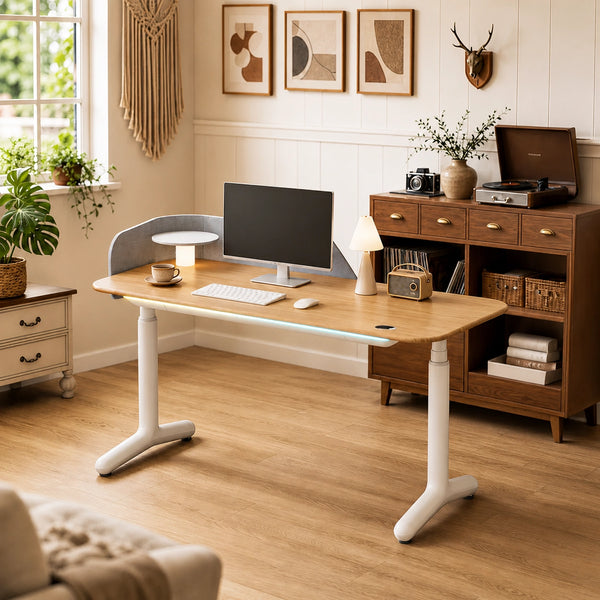
When work demands sustained focus, it is easy to sit for hours without noticing, so breaking up prolonged sitting should become part of the routine rather than relying on memory alone. The Australian movement guidelines for adults recommend limiting sedentary time and breaking up prolonged sedentary behaviour as often as possible, without setting one fixed interval that applies to everyone. The 9am Home Dora Pro Hardwood Smart Electric Standing Desk includes presence-based sedentary reminders that can prompt you to stand, change position or take a short walk. The aim is not simply to increase standing time, but to reduce long stretches of inactivity and create more natural movement breaks throughout the day.
Alternate Between Sitting and Standing
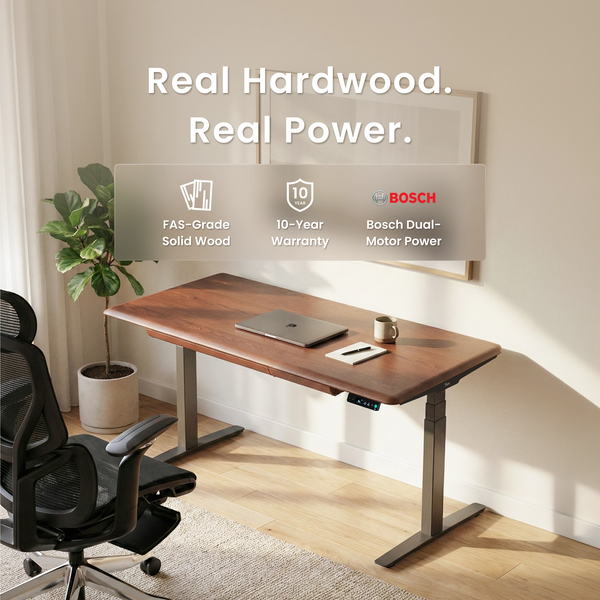
Reducing sitting does not mean staying on your feet all day; a more practical approach is to alternate between sitting, standing and short periods of movement. Standing alone does not replace walking or regular exercise, and this guide to how long you should stand at a standing desk explains how to pace sitting, standing and light movement across the workday. The 9am Home Pesk Pro Hardwood Home Office Electric Standing Desk supports preset heights and Auto-Lift, while Bosch dual motors make regular height changes easier to build into the workday.
Take Short Walking Breaks
Short walks between meetings, calls or focused work sessions can add light activity without requiring a full workout, while this walk while you work guide covers practical ways to add movement to a standing desk setup. Breaking up prolonged sitting with physical activity can help reduce post-meal glucose and insulin responses compared with uninterrupted sitting, while regular physical activity outside desk time remains important for overall blood sugar control.
Move After Meals
Light activity after eating can help manage post-meal blood sugar and reduce the glucose response to prolonged sitting. Instead of returning immediately to your desk after lunch, use part of your break for a short walk or a few minutes of gentle movement when practical. If you use insulin or medicines that can cause hypoglycaemia, monitor how additional activity affects your glucose and follow your individual management plan.
Healthy Workday Habits for Better Blood Sugar Control
Blood sugar management is easier when healthy habits are built into the working day. A more consistent routine can support regular movement, meals, recovery and sleep.
Keep a Consistent Work and Break Schedule
Set clear working periods and regular breaks rather than staying at your desk for long, unplanned stretches. A predictable schedule can make it easier to fit in movement, meals and short recovery periods throughout the day.
Manage Work-Related Stress
Ongoing work stress can affect blood sugar while also making healthy routines harder to maintain. Where possible, leave short gaps between long meetings, step away from the screen during breaks or take a brief walk after demanding tasks.
Maintain Clear Work-Life Boundaries When WFH
Working from home can make it difficult to separate work from personal time, especially when the workspace is always nearby, so keeping work centred around a dedicated home office desk can help create a clearer physical boundary. Set a clear finish time where possible, then close the laptop and leave the work area rather than allowing desk time to drift into the evening.
Get Enough Quality Sleep
Poor sleep can affect insulin sensitivity, appetite and blood sugar regulation. Australian movement guidelines recommend 7 to 9 hours of good-quality sleep for adults, with consistent bed and wake times. Keeping a regular sleep schedule and allowing enough time to unwind after work can support both metabolic health and daytime concentration.
Diet Tips for Managing Blood Sugar
What you eat and when you eat can influence blood sugar throughout the workday. A balanced, consistent approach is generally more practical than relying on restrictive diets or skipping meals.
Keep Meal Times Consistent
Eating at roughly consistent times can help make blood sugar and appetite easier to manage. For busy desk workers, planning lunch and meal breaks in advance may also reduce the chance of skipping meals and overeating later.
Choose High-Fibre Carbohydrates
Choose higher-fibre carbohydrate sources such as whole grains, legumes, vegetables and fruit more often than refined options. Fibre can slow digestion, while keeping carbohydrate portions appropriate can also help manage post-meal blood sugar.
Include Protein With Meals and Snacks
Adding protein from foods such as eggs, yoghurt, fish, tofu, legumes or lean meats can make meals and snacks more satisfying. Pairing protein with carbohydrate-rich foods may also help reduce rapid changes in blood sugar.
Plan Healthy Snacks for the Workday
Keeping suitable snacks on hand can make it easier to avoid highly processed choices when hunger appears between meals. For desk workers and people working from home, practical options include:
-
Plain yoghurt with fruit
-
A small handful of nuts
-
Wholegrain crackers with cheese or hummus
-
Fruit paired with yoghurt or nuts
Choosing snacks that combine fibre-rich carbohydrates with protein or healthy fats can help make them more filling and may reduce rapid changes in blood sugar compared with relying on high-sugar snacks alone. Portion size still matters, particularly when snacking frequently between meals.

Limit Sugary Drinks and Highly Processed Foods
Sugary drinks, sweets and many highly processed foods can add large amounts of rapidly absorbed carbohydrate with little fibre or protein. Limiting how often they appear in the workday can help reduce unnecessary blood sugar spikes while supporting a more balanced overall diet.
Conclusion
For desk workers and people working from home, better blood sugar control often comes from consistent daily habits rather than one single change. Breaking up prolonged sitting, moving more during the day, eating balanced meals, managing stress and getting enough sleep can all support healthier blood sugar patterns over time.
The most practical approach is to make these habits part of your normal work routine. Small, repeatable changes are easier to maintain and can support both metabolic health and overall wellbeing.
FAQ
What Blood Sugar Level Is Considered Too High?
There is no single blood sugar target that applies to everyone, and your diabetes healthcare team may set an individual range. Being above your personal target is not the same as having severe hyperglycaemia. Healthdirect Australia describes blood glucose above 15 mmol/L as hyperglycaemia and advises medical review if high levels persist despite your usual diabetes management plan.
How Often Should You Check Your Blood Sugar During the Workday?
There is no single testing schedule for everyone. How often you check blood sugar depends on factors such as insulin or other medication use and your individual management plan. Your diabetes healthcare team may also recommend checking around meals, physical activity or symptoms so you can identify how food, movement and the workday affect your glucose pattern.
Can Drinking Water Help Lower Blood Sugar?
Water can help prevent dehydration when blood sugar is high, but drinking more water is not a treatment for hyperglycaemia. Replacing sugary drinks with water can also reduce additional sugar intake.
Can Coffee or Caffeine Affect Blood Sugar Levels?
Yes. Caffeine may temporarily affect blood glucose or insulin sensitivity in some people, especially those with diabetes.
How Quickly Can Blood Sugar Levels Change?
Blood sugar can change within minutes to hours. Meals, activity, stress, illness, caffeine and medication can all influence how quickly levels rise or fall.
Can You Lower Blood Sugar Without Medication?
Sometimes, depending on the cause of the high blood sugar. Lifestyle changes can improve blood sugar management for people with prediabetes and some people with type 2 diabetes, but they do not replace insulin for type 1 diabetes or prescribed medication when it is needed.
When Should High Blood Sugar Require Medical Attention?
Seek medical advice if blood sugar stays consistently above your target range or does not come down with your usual diabetes management plan. Healthdirect Australia advises urgent assessment if blood glucose remains above 15 mmol/L despite diabetes medicines, and emergency care is needed when severe high blood sugar occurs with worsening symptoms, vomiting, breathing difficulty, confusion or ketones. In Australia, call 000 if symptoms are severe or rapidly worsening.

Leave a comment