






How to Relieve Back Pain: Relief Tips for Different Pain Locations
Relieving back pain starts with understanding where the discomfort is, what it feels like, and what daily habits may be adding repeated strain. Lower back pain, upper back pain, right lower back pain, and lower right back cramps can have different triggers, so the same self-care approach may not work for every situation.
For many office workers, especially people working from home, mild back discomfort is often linked to long static sitting, poor screen height, limited movement, weak supporting muscles, or an unsuitable workstation. In Australia, 36% of employed people usually worked from home in August 2025, making home office posture and daily movement habits worth closer attention.
This article is for general education only and is not a medical diagnosis or treatment plan. If your back pain is severe, unusual, worsening, or accompanied by fever, numbness, weakness, urinary symptoms, or loss of bladder or bowel control, seek medical advice promptly.
Back Pain by Location: What It May Mean
Back pain location can give useful clues, but it does not confirm the exact cause. The same area can hurt for different reasons, and symptoms that feel unusual or serious should always be checked by a healthcare professional.

Lower Back Pain
Lower back pain is common among people who sit for long hours, bend forward often, lift heavy objects, or work with poor desk posture. It can also be linked to weak core support, tight hips, and repeated pressure from staying in one position too long.
For office workers, lower back discomfort is usually not caused by one single movement. More often, it builds from daily habits such as sitting through long meetings, leaning toward a laptop, using a chair with limited lumbar support, or working at a desk height that does not match the body. The 9amHome guide on lower back pain causes for office workers also explains how long sitting, limited movement, weak core support, tight hips, and workstation setup can contribute to recurring discomfort.
Upper Back Pain
Upper back pain is more often related to the neck, shoulders, thoracic spine, and shoulder blade area. It may appear after hours of looking down at a laptop, rounding the shoulders, using a screen that is too low, or holding tension in the neck and upper back.
This is different from lower back pain. Lower back discomfort often involves the lumbar spine, hips, and core support, while upper back discomfort is more connected to forward head posture, tight chest muscles, shoulder tension, and limited upper spine movement.
Right Lower Back Pain
Right lower back pain may be related to one-sided muscle strain, twisting during exercise, sleeping in an awkward position, sitting with more weight on one side, or carrying bags on the same shoulder every day.
However, right lower back pain is not always caused by muscles. If it appears with fever, chills, nausea, abdominal pain, urinary pain, blood in urine, or feeling very unwell, it may involve a non-muscle cause and should be checked by a healthcare professional. NHS guidance notes that back or side pain with high temperature, chills, blood in urine, nausea, or reduced urination needs medical advice.
Lower Right Back Cramps
Lower right back cramps usually feel more like sudden tightening, spasming, pulling, or twitching in the muscle. They can sometimes happen after muscle fatigue, sudden movement after long sitting, exercise, dehydration, or awkward posture.
This is slightly different from right lower back pain. Pain can feel dull, sharp, or aching, while cramps often feel like the muscle is suddenly contracting or locking up. Cleveland Clinic notes that muscle spasms and cramps may be linked to muscle fatigue, dehydration, electrolyte imbalance, stress, or intense exercise.
Comparison Table
|
Pain Location or Feeling |
Common Pattern |
Possible Daily Triggers |
First Step |
|
Lower back pain |
Dull ache, stiffness, or pressure across the lumbar area |
Long sitting, poor chair support, bending, weak core, tight hips |
Move gently, avoid long static sitting, and consider heat if it feels soothing |
|
Upper back pain |
Tightness between shoulder blades or around neck and shoulders |
Low screen, rounded shoulders, laptop use, stress tension |
Raise screen height, relax shoulders, and stretch gently |
|
Right lower back pain |
One-sided ache or sharp discomfort |
Twisting, uneven posture, single-side loading, sleep position |
Notice whether pain follows a clear movement or posture trigger |
|
Lower right back cramps |
Sudden tightening, spasms, or muscle locking |
Muscle fatigue, sudden movement, dehydration, exercise tension |
Stop the aggravating movement, relax the muscle, and resume activity slowly |
How to Relieve Back Pain Safely and Fast
The tips below are intended for mild, short-term back discomfort that seems related to posture, muscle tension, or daily habits. They are not a substitute for medical diagnosis or treatment. If pain is severe, unusual, getting worse, or comes with warning signs, it is better to seek medical advice before trying home care steps.
MedlinePlus explains that for most back pain without serious warning signs, healthcare providers do not recommend long bed rest. Instead, people are generally advised to stay as active as possible while avoiding movements that clearly make the pain worse.
How to Relieve Lower Back Pain
For mild lower back discomfort, simple self-care steps may help, such as using gentle heat, taking a short walk, moving carefully, and avoiding long periods in the same position. The goal is to reduce stiffness and help the body return to comfortable movement.
Some people find gentle movements such as cat-cow, knee-to-chest, child’s pose, glute stretches, or hip flexor stretches helpful for easing stiffness, as long as they do not increase pain. Avoid forcing deep stretches or doing high-intensity exercises when the area still feels sensitive.
After the pain eases, it is also worth checking whether desk height, chair support, screen position, and sitting time are adding repeated pressure to the lower back.
How to Relieve Upper Back Pain Fast
For mild upper back tightness, focus on reducing shoulder and neck tension, opening the chest, improving screen height, and avoiding long periods of looking down. Gentle movements such as shoulder blade squeezes, thoracic extensions, wall angels, and relaxed neck stretches may help some people feel less stiff.
These movements are not meant to cure pain instantly. They are better understood as simple ways to reduce posture-related tightness and make it easier to return to a more neutral working position.
What to Do for Right Lower Back Pain
First, notice whether the discomfort is connected to a recent movement, workout, sleep position, or sitting habit. If the pain is mild and feels muscular, gentle movement, heat if comfortable, avoiding one-sided lifting, and improving sitting posture may help reduce strain.
If the pain becomes stronger, spreads, appears after trauma, or comes with fever, urinary symptoms, abdominal pain, nausea, leg weakness, numbness, or loss of bladder or bowel control, seek medical advice promptly. In these cases, it is safer not to assume the discomfort is only posture or muscle related.
How to Ease Lower Right Back Cramps
When the lower right back cramps, stop the movement that is making it worse. Avoid forcing a deep stretch, twisting quickly, or continuing exercise through the spasm.
Instead, let the area relax, breathe slowly, consider gentle heat if it feels comfortable, drink water, and return to movement gradually once the muscle begins to settle. If cramps keep returning, it may help to review hydration, training load, sitting time, and whether one side of the body is doing more work than the other.
Quick Back Pain Self Check Table
|
Symptom |
Possible Cause |
What May Help |
|
Stiff lower back after sitting |
Long static sitting, limited lumbar support, tight hips |
Walk for a few minutes, adjust chair support, stretch hips gently |
|
Upper back tightness after laptop work |
Low screen, rounded shoulders, neck tension |
Raise the screen, relax shoulders, stretch chest gently |
|
One-sided right lower back pain |
Twisting, uneven posture, sleep position, single-sided loading |
Avoid one-sided carrying, move gently, monitor symptoms |
|
Sudden lower right back cramps |
Muscle fatigue, dehydration, sudden movement |
Stop activity, hydrate, relax the area, resume movement slowly |
|
Pain with fever, urinary pain, numbness, or weakness |
Possible non-muscle or urgent cause |
Seek medical care promptly |
When Back Pain Needs Medical Care
Mild back discomfort often improves with gentle movement, better posture, and reduced strain. However, some symptoms need medical attention.
See a healthcare professional if back pain lasts for several weeks, keeps returning, affects daily life, or comes with leg pain, numbness, weakness, fever, chest pain, shortness of breath, urinary symptoms, or pain after a fall.
Seek urgent medical help if back pain comes with loss of bladder or bowel control, numbness around the buttocks or genitals, new leg weakness, trouble walking, major trauma, unexplained weight loss, or rapidly worsening pain.
|
Situation |
What to Do |
|
Mild stiffness after sitting |
Try gentle movement and workstation adjustments |
|
Pain improves with walking |
Keep activity light and consistent |
|
Pain keeps returning |
Track posture, sleep, exercise, and work habits |
|
Pain with fever or urinary symptoms |
Seek medical care |
|
Pain with numbness, weakness, or bladder or bowel changes |
Seek urgent medical help |
How to Prevent Back Pain Before It Starts
Prevention is usually less about holding one perfect posture and more about reducing repeated strain. A comfortable workstation, regular movement, supportive muscles, and better recovery habits can all support better daily comfort.
Safe Work Australia advises that workers should not stay in a seated, standing, or static posture for long periods. This is why regular position changes matter for both seated and standing work.
Avoid Long Static Sitting
Sitting itself is not the only issue. The bigger problem is staying in one posture for too long. Try standing, walking, or stretching for a few minutes every 30 to 60 minutes, especially during long computer-based tasks.
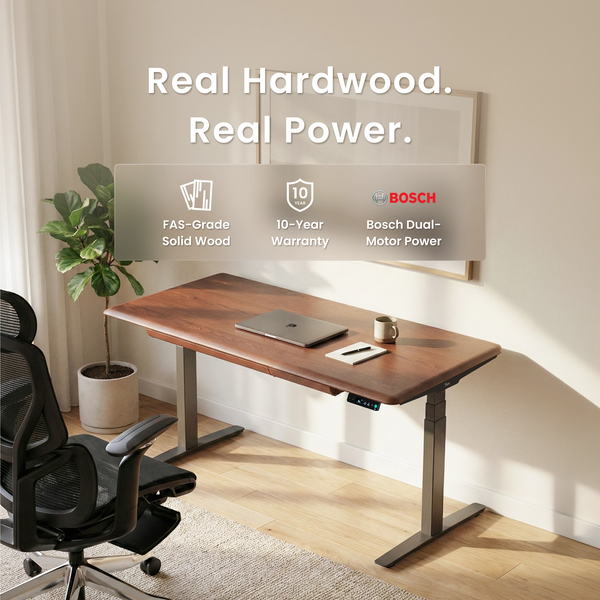
For home office workers, a sit-stand routine can make position changes easier to repeat. The 9amHome Pesk Pro standing desk supports smooth height adjustment between sitting and standing, while an ergonomic chair can support more comfortable seated work. Together, they help create a more flexible setup for people who work long hours at home.
Keep Your Workstation Ergonomic
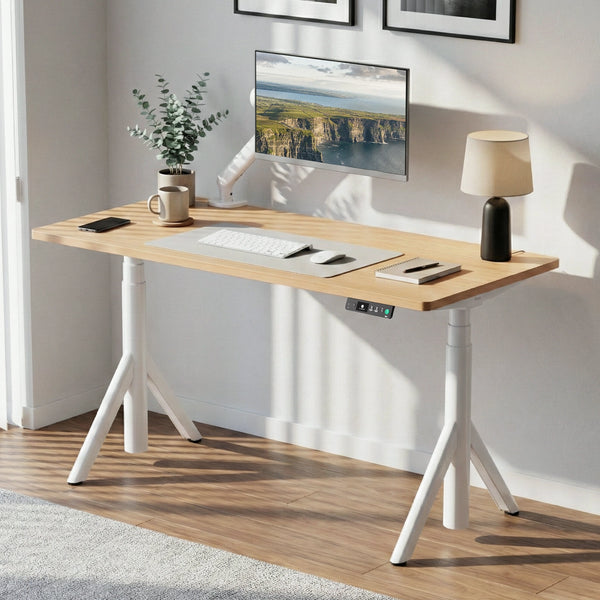
A better workstation should support your body instead of forcing you to lean, reach, or look down all day. Keep the chair back supporting the lower back, place the screen near eye level, keep the keyboard and mouse close to the body, and rest both feet flat on the floor.
Mayo Clinic recommends an ergonomic setup that includes a supportive chair, flat foot position, relaxed shoulders, a close keyboard and mouse, and a screen near eye level. These details matter because small workstation mismatches can turn into repeated strain over a long workday.
If you want to upgrade the whole workspace, the 9amHome Robin Pro Standing Desk and Ergonomic Chair Set combines a height-adjustable desk with an ergonomic chair for a more complete home office setup. If your main issue is a low screen, the 9amHome Flexible Adjustment Single Monitor Arm Desk Mount can help raise, tilt, swivel, and reposition the monitor so you do not need to keep bending your neck toward the screen.
Build Core and Glute Strength
When core and glute muscles are weak, the lower back may need to work harder during sitting, walking, lifting, or exercise. Light strengthening exercises such as glute bridges, bird dogs, and dead bugs can help some people build better support over time.

This does not need to become an intense workout plan. The goal is to improve support gradually, not to push through pain or turn a mild discomfort problem into a training injury.
Stretch Hips, Chest, and Shoulders
Tight hips can affect lower back comfort, while tight chest and shoulder muscles can affect upper back posture. Gentle stretching for the hip flexors, glutes, chest, shoulders, and upper back may help reduce stiffness that builds through the day.
Simple workstation changes can also reduce the posture habits that make these areas tight. Raising the screen, adjusting desk height, and keeping the keyboard close can make it easier to sit and stand without rounding forward.
How to Stop Back Pain From Coming Back
Back pain often returns when the original trigger is still part of the daily routine. Instead of only asking how to relieve back pain today, it helps to look at what may be bringing the discomfort back.
Notice Your Pain Triggers
Track when the pain usually appears. It may happen after long sitting, after a workout, after waking up, after carrying heavy items, or near the end of the workday.
Finding the trigger is more useful than guessing. If the same pattern keeps repeating, your routine may need adjustment, not just short-term relief.
Change Position Before Pain Builds
Do not wait until discomfort is strong before moving. Stand for calls, walk briefly between tasks, adjust your chair, or change screen height before stiffness builds.
Small changes during the workday can make a bigger difference than one long stretch at the end of the day. The 9amHome sitting desk to standing desk setup guide also explains that the goal is not to stand all day, but to build a healthier sit-stand routine through gradual transitions and correct setup.
For people who work at a desk for long hours, a height adjustable desk can make these small changes easier to repeat. The 9amHome Atom Pro Ash Solid Wood Home Office Stand Up Desk is designed for sit-stand work and can support a more flexible routine for calls, reading, admin tasks, and focused seated work.
Return to Exercise Gradually
Once pain eases, avoid jumping straight back into heavy lifting, high-intensity training, or very long sitting sessions. Return gradually and watch how the body responds.
If an exercise makes pain sharper or causes symptoms to spread, stop and reassess. If symptoms keep returning, get professional advice rather than pushing through.
Improve Sleep and Recovery Habits
Sleep position, mattress support, stress, and poor recovery can all make the back feel more sensitive. Try to keep the spine supported during sleep, avoid twisting into strained positions, and give the body enough time to recover after long workdays or workouts.
Stress can also make muscles stay tense without you noticing. Short walks, breathing breaks, and regular movement can help reduce the physical tension that builds around the back, neck, and shoulders.
Conclusion
The best way to relieve back pain depends on where the discomfort is and how it feels. Lower back pain is often linked to sitting habits, hip tightness, core weakness, and repeated workday pressure. Upper back pain is more often connected to screen height, rounded shoulders, neck tension, and chest tightness. Right lower back pain may be muscular, but it should be checked if it comes with fever, urinary symptoms, abdominal pain, nausea, numbness, or weakness. Lower right back cramps usually feel more like sudden muscle tightening and should be handled gently.
For mild, posture-related back discomfort, simple steps such as light movement, gentle stretching, better workstation setup, and less static sitting may help. A standing desk is not a treatment for back pain, but a well-adjusted sit-stand setup can make it easier to change position before stiffness builds.
FAQ
How to help lower back pain from sitting?
To help lower back discomfort from sitting, try standing up regularly, walking for a few minutes, using gentle heat if it feels comfortable, stretching the hips and glutes carefully, and checking whether your chair and desk height support a neutral posture. Avoid sitting for hours without changing position.
Is a standing desk good for lower back pain?
A standing desk is not a treatment for lower back pain, but it may support better work habits when used to change posture regularly. In the CDC-published Take a Stand Project, a sit-stand device reduced sitting time by 66 minutes per day and reduced upper back and neck pain by 54%.
What's the worst thing you can do for back pain?
One of the worst things you can do is ignore warning signs, force painful stretches, stay completely inactive for too long, or continue the same posture that triggered the discomfort. For many cases of mild back pain, gentle movement is usually better than long bed rest, but serious or unusual symptoms should be checked quickly.
What is the number one exercise for lower back pain?
There is no single number one exercise for every case of lower back pain. Some people benefit from gentle walking, cat-cow, knee-to-chest, glute bridges, bird dogs, or hip flexor stretches, but the right choice depends on the cause, pain level, and whether symptoms spread into the legs. If pain is severe, recurring, or unusual, ask a healthcare professional before starting a new exercise routine.

Leave a comment